Bullying In Schools | What Parents Can Do to Help
Quick answer: Bullying in schools is repeated, intentional physical, verbal, social, or online harm that affects many learners. While schools cannot stop it entirely, parents can help by listening without judgement, reassuring their child, working with the school, seeking professional support, and following up.
Every parent hopes their child skips off to school feeling safe and happy. Sadly, that is not always the reality. Bullying has been part of school life for generations, and it remains one of the most stubborn challenges children face today.
If you are a parent in South Africa worried about your child, you are far from alone. More than 3.2 million learners are bullied every year in South African schools, according to HJW Attorneys.
This post explains what bullying is, why it happens, how it affects children, and (most importantly) the practical steps you can take to help.
What Is Bullying in Schools?
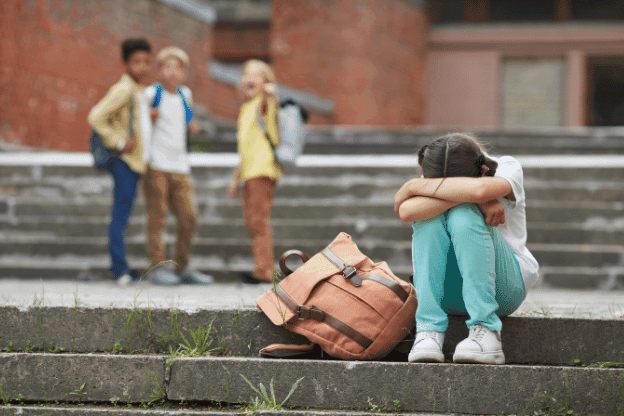
Bullying in schools is any wrongful, intentional act, whether physical, verbal, written, or electronic, that happens repeatedly and is meant to hurt or intimidate another person. It usually involves an imbalance of power, where one child (or a group) targets another who struggles to defend themselves.
It is important to know that bullying is not just a normal part of growing up. It goes against every child’s right to feel safe and learn in a nurturing environment.
Types of Bullying in Schools
Bullying comes in many forms. South Africa’s Department of Basic Education recognises several types:
- Physical bullying: Hitting, pushing, tripping, or damaging belongings.
- Verbal bullying: Name-calling, teasing, insults, or threats.
- Non-verbal bullying: Rude gestures, mimicking, or intimidating looks.
- Social bullying: Excluding a child, spreading rumours, or damaging friendships.
- Sexual bullying: Unwanted sexual comments, jokes, rumours, gestures, or other sexually inappropriate behaviour.
- Cyberbullying: Harassment through phones, social media, or messaging apps.
What Causes Bullying in Schools?
There is rarely a single reason a child bullies others.
Common causes include:
- A difficult home life: Children exposed to aggression or stress at home may repeat that behaviour.
- A desire to fit in: Some children bully to gain social status or impress their peers.
- Being bullied themselves: Hurt children sometimes hurt others.
- A lack of empathy or emotional skills: Some children have not yet learned to manage their feelings or to consider how their actions affect others.
The Effects of Being Bullied on Children
Bullying leaves marks that reach well beyond the schoolyard. Its impact on children shows up in three key areas:
On personality: Children who are bullied often experience depression, anxiety, and low self-esteem. Many withdraw from activities they once loved and carry feelings of shame.
On academic performance: Bullying has a significant impact. Research from the Trends in International Mathematics and Science Study (TIMSS) found that bullied pupils performed worse in Mathematics than those who were not bullied. In South Africa, 160,000 high-school learners skip school daily to avoid being bullied, and one in ten learners drop out entirely.
On overall quality of life: Bullying affects a child’s health and relationships too. Common effects include headaches, stomach aches, trouble sleeping, and difficulty forming friendships later in life.
What Can Parents Do?
Bullying can be difficult to address, but early action and consistent support from parents and schools can make a meaningful difference.
South Africa’s Department of Basic Education launched the STOP, WALK, TALK anti-bullying campaign, rolled out to public schools nationwide, along with training for thousands of educators and confidential reporting systems linked to the police.
Still, you play a powerful role at home.
Here are five practical things you as a parent can do:
- Listen and focus on your child. Create a safe, calm space where they feel comfortable opening up. Let them know you are there to help.
- Reassure them it is not their fault. Bullying is never the victim’s fault, and your child needs to hear that.
- Work with the school. Report the bullying and keep communication open. Schools can act as mediators; experts advise against contacting the other child’s parents directly, as this can make things worse.
- Seek professional support. A school counsellor, social worker, or mental health professional can help your child process what they are going through.
- Be persistent. Bullying rarely stops overnight. Follow up, follow through, and show your child you are committed to seeing it through.
Tutor Doctor Is Here to Help
At Tutor Doctor, we are more than tutors. We are educational coaches in South Africa who care about your child’s academic success and their overall well-being as they grow.
If your child has been affected by bullying and you have noticed a dip in their marks or confidence, please reach out. We would love to support them through our tutoring services and help them get their academics back on track.
Schedule a free consultation today and let’s help your child thrive again.
Frequently Asked Questions
1. What is bullying in schools?
Bullying in schools is repeated, intentional behaviour meant to hurt or intimidate another learner. It can be physical, verbal, non-verbal, social, sexual, or online, and it usually involves an imbalance of power.
2. How does bullying affect academic performance?
Bullying harms concentration, attendance, and motivation. TIMSS research found bullied pupils scored lower in Mathematics, and many bullied learners in South Africa skip school or drop out altogether.
3. What should I do if my child is being bullied?
Listen without judgement, reassure your child it is not their fault, report it to the school, consider professional counselling, and follow up consistently. Avoid telling them to ignore it or fight back.
4. Is bullying a big problem in South Africa?
Yes. More than 3.2 million learners are bullied yearly in South Africa, and 160,000 high-school learners skip school daily to avoid being bullied, according to HJW Attorneys.
Related Posts