Propagating Plants: A Perfect Spring Activity for Kids
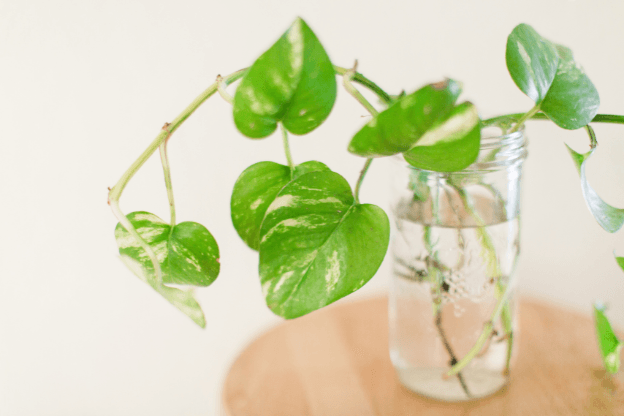
Propagating plants is a simple spring activity where kids grow new plants from cuttings. It teaches patience, responsibility, and plant biology while being fun and educational. Just cut a stem, place it in water, and watch roots grow!
Spring brings fresh possibilities, and there’s no better way to celebrate the season than by getting your hands dirty with some fantastic science experiments! One activity that combines learning, fun, and a touch of magic is propagating plants.
This spring activity for kids teaches patience, responsibility, and basic plant biology while creating something beautiful to enjoy all season long.
Ready to discover how to propagate a plant with your kids?
Let’s walk through this engaging science experiment for kids that will have them excited about gardening and learning!
What Does Propagating Mean?
Propagating plants simply means creating new plants from existing ones. Instead of starting from seeds, you take a cutting from a healthy plant and encourage it to grow its own roots.
Think of it as plant cloning!
The parent plant shares its genetic material with the new plant, creating an exact copy.
This process happens naturally when plants drop branches or when roots spread underground. But with propagation, we’re giving nature a helping hand by carefully selecting which parts of the plant we want to multiply.
Why is This a Great Spring Activity for Kids?
Propagating plants offers numerous educational benefits that make it an ideal spring activity for kids.
Here’s what your children will learn:
- Scientific observation skills: Kids learn to watch for changes, document growth, and understand cause and effect relationships. They’ll notice how water levels change, observe new root growth, and track leaf development.
- Responsibility and patience: Unlike instant gratification activities, plant propagation teaches children that good things take time. They’ll learn to check water levels, provide proper care, and wait for results.
- Basic biology concepts: This hands-on science experiment for kids introduces photosynthesis, root systems, and plant life cycles in an engaging way. Children discover how plants drink water, process nutrients, and grow new parts.
- Environmental awareness: Kids develop an appreciation for nature and understand how plants contribute to our ecosystem. They learn about sustainability and how to care for living things.
How To Propagate A Plant (Step by Step)
What You Need:
- Healthy parent plant (pothos, mint, or rosemary works brilliantly)
- Clean scissors or pruning shears
- Glass jar or clear container
- Fresh water
- Small notebook for observations (optional but recommended)
The Propagation Process:
Step 1: Choose Your Cutting
Select a healthy stem from your parent plant that’s about 10-15cm long. Look for a section with several leaves and, if possible, small bumps called nodes (these will become roots).
Step 2: Make the Cut
Using clean scissors, cut the stem at a 45-degree angle just below a node. This angled cut increases the surface area for water absorption.
Step 3: Prepare Your Cutting
Remove any leaves from the bottom half of the cutting. Leaves underwater will rot and make the water cloudy. Keep 3-4 leaves at the top for photosynthesis.
Step 4: Place in Water
Put your cutting in the jar and fill with fresh water until the bottom nodes are submerged. The remaining leaves should stay above the water level.
Step 5: Find the Perfect Spot
Place your jar in bright, indirect sunlight. A windowsill works perfectly, but avoid direct sun, which can stress the cutting.
Step 6: Observe and Maintain
Change the water every 2-3 days to keep it fresh and prevent bacterial growth. Encourage your kids to record their observations and measure root growth.
After 2-4 weeks, you should see new roots developing. Once roots reach 5cm long, your new plant is ready for soil!
Ready for More Science Adventures?
Wasn’t that exciting?
Your children have just completed a real science experiment for kids while creating something they can nurture and enjoy.
Propagating plants demonstrates how science surrounds us in everyday life and shows that learning can be both educational and enjoyable.
If your child loved this hands-on approach to science and you’d like to explore more engaging experiments and learning opportunities, Tutor Doctor’s science tutoring services might be perfect for your family.
Our experienced tutors make science come alive through practical activities and personalised learning plans that match your child’s interests and learning style.
Ready to grow your child’s love for science?
Related Posts