What Is Nelson Mandela Day, and How Can We Live Like Madiba?
What if you could change the world in just 67 minutes? That’s exactly what Nelson Mandela Day asks of us each year.
This special day, celebrated on 18 July, isn’t just another date on the calendar; it’s a reminder that we all can make a difference in our communities and beyond.
Nelson Mandela Day, also known as Madiba Day, encourages people worldwide to dedicate 67 minutes of their time to serving others. The number 67 represents the years that Mandela devoted to fighting for social justice and human rights.
But this day is about more than just a single act of service – it’s about embracing the values that made Mandela one of history’s most respected leaders.
This blog will explore what Nelson Mandela Day truly means, why we celebrate it, and most importantly, how we can embody Madiba’s spirit every single day.
What is Nelson Mandela Day?
Nelson Mandela Day is an annual international day observed on 18 July, marking the birthday of South Africa’s first black president and anti-apartheid revolutionary.
The United Nations officially declared this day in 2009, just one year before Mandela’s passing, recognising his extraordinary contribution to peace, reconciliation, and human rights.
The day centres around the concept of “67 minutes” – each minute representing a year of Mandela’s life dedicated to public service, from his early activism in the 1940s until his retirement from public life in 2013.
During these 67 minutes, people are encouraged to engage in acts of service that benefit their communities, whether it’s volunteering at local charities, helping elderly neighbours, or supporting educational initiatives.
What makes Nelson Mandela Day unique is its global reach and inclusive nature. The day isn’t confined to South Africa; it’s celebrated worldwide by individuals, schools, businesses, and organisations who share Mandela’s vision of a more just and equitable world.
The call to action is deliberately broad: identify those in need around you and do what you can to make a difference with them and for them.
The theme for Nelson Mandela Day 2025 is “It is in your hands,” emphasising that each person has the power to combat poverty and inequality. This theme resonates particularly strongly with students, who represent the future leaders of tomorrow and have the energy and idealism to create meaningful change.
Why Do We Celebrate Nelson Mandela Day?
Nelson Mandela Day exists for several compelling reasons that extend far beyond commemorating one man’s birthday.
Understanding these reasons helps us appreciate why this day continues to grow in significance each year.
1) Honouring a Legacy of Courage
Mandela’s life story is one of remarkable courage in the face of seemingly impossible odds. He spent 27 years in prison for his fight against apartheid, yet emerged without bitterness or desire for revenge.
Instead, he chose reconciliation and forgiveness, helping to guide South Africa through its peaceful transition to democracy.
We celebrate this day to remember that courage isn’t the absence of fear – it’s doing what’s right despite that fear.
2) Promoting Global Unity and Understanding
The world faces increasing polarisation, with communities becoming more divided along racial, religious, and economic lines.
Nelson Mandela Day serves as a powerful reminder that we share a common humanity. It encourages people to look beyond their differences and work together towards common goals.
This message resonates particularly strongly with young people, who will inherit the responsibility of building a more unified world.
3) Fighting Poverty and Inequality
Mandela once said, “Poverty is not an accident. Like slavery and apartheid, it is man-made and can be removed by the actions of human beings.”
Nelson Mandela Day challenges us to actively combat these injustices through service and action. The day recognises that small acts of kindness and service, when multiplied across millions of people, can create significant social change.
4) Inspiring Future Leaders
For students and young people, Nelson Mandela Day provides a powerful example of leadership based on service rather than self-interest.
Mandela demonstrated that true leadership means sacrificing personal comfort for the greater good.
By celebrating this day, we inspire a new generation to approach leadership with humility, integrity, and genuine care for others.
5) Building Bridges Across Cultures
South Africa’s transition from apartheid to democracy wasn’t just a political change; it was a demonstration that people from different backgrounds could work together to build something better.
Nelson Mandela Day celebrates this achievement whilst acknowledging that the work of building inclusive societies continues worldwide.
How Can We Be Better Every Day – Like Madiba Was?
Living like Mandela doesn’t require grand gestures or historic moments. It’s about embodying his values in our daily lives and interactions.
Here are practical ways students can embrace the Mandela spirit every single day:
Practice Forgiveness and Let Go of Grudges
Mandela’s ability to forgive those who imprisoned him for nearly three decades remains one of his most inspiring qualities.
For students, this means choosing not to hold grudges against classmates, teachers, or even family members. When someone hurts you, try to understand their perspective and respond with compassion rather than anger.
Start small: if a friend cancels plans or a classmate says something hurtful, take a moment to breathe before responding. Ask yourself, “What would Mandela do?”
Often, the best response is to show understanding rather than resorting to retaliation.
Stand Up for Others
Mandela fought against injustice not just for himself, but for all people who were oppressed.
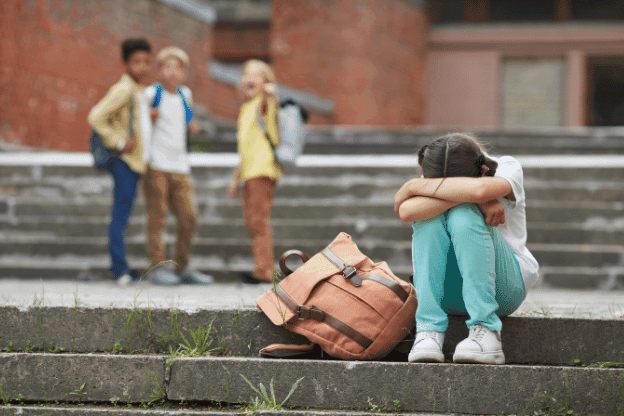
Students can embody this by standing up for classmates who are being bullied, supporting friends who are struggling, or speaking out against unfair treatment they witness.
This doesn’t mean becoming confrontational; it means being a voice for those who might not have one.
Sometimes it’s as simple as sitting with someone who’s eating lunch alone or defending a classmate who’s being bullied.
Embrace Learning and Education
Mandela famously said, “Education is the most powerful weapon which you can use to change the world.” He continued learning throughout his life, even during his imprisonment.
Students can honour this by taking their education seriously, not just for personal gain but as a tool for serving others.
Approach your studies with curiosity rather than just focusing on grades. Ask questions, explore subjects that interest you, and remember that your education is preparing you to solve real-world problems and help others.
Show Respect for Everyone
Mandela treated everyone with dignity, regardless of their background, status, or beliefs.
For students, this means being respectful to all school staff, from teachers to cleaners to security guards. It means listening to classmates’ opinions even when you disagree, and treating younger students with kindness rather than dismissal.
Take Action When You See Injustice
Mandela didn’t just talk about change – he took action, even when it was difficult or dangerous.
Students can follow this example by getting involved in school clubs, community service projects, or social causes they care about.
Start with issues you see around you: perhaps organising a recycling programme at school, volunteering at a local shelter, or raising awareness about important social issues.
Remember, Mandela started as a young activist before becoming a global leader.
Practice Patience and Perseverance
Mandela’s fight against apartheid took decades, and he faced countless setbacks and disappointments. Students can learn from this by not giving up when faced with challenges in their studies, relationships, or personal goals.
When a subject seems too difficult or a goal feels impossible, remember that meaningful change takes time.
Break big challenges into smaller steps and keep moving forward, even when progress feels slow.
Lead by Example
Mandela led not through force or manipulation, but by demonstrating the values he wanted to see in others.
Students can make a difference by being the change they want to see in their school and community. If you want more kindness in your school, be kind to others. If you want more environmental awareness, start by changing your own habits.
Living the Mandela Legacy Every Day
Nelson Mandela Day isn’t just about what we do on 18 July – it’s about how we choose to live every single day. The 67 minutes we dedicate to service are important, but they’re meant to inspire a lifetime of service, compassion, and justice.
As students, you have incredible power to shape the future. The challenges facing our world today, from climate change to inequality to division, require the same kind of moral courage and determination that Mandela demonstrated.
Remember, as Mandela himself said, “It is in your hands.” Your education, your choices, and your actions today will determine the kind of world we live in tomorrow.
At Tutor Doctor, we believe in supporting students not just academically, but in developing the character and values that will help them become the leaders our world needs.
We’re committed to creating an inclusive, united, and educated future for all our students.
Through personalised tutoring services, we help young people achieve academic success and develop the confidence and skills they need to make a positive difference in the world.
Related Posts